Key Takeaways
Older homes in Jonesboro often have mature trees with long histories of growth, structural complications, and proximity to aging infrastructure. The main challenges are large canopy overhang, root system proximity to foundations and utilities, accumulated deadwood, limited equipment access in established yards, and the cost and complexity of removing very large trees in tight residential settings.
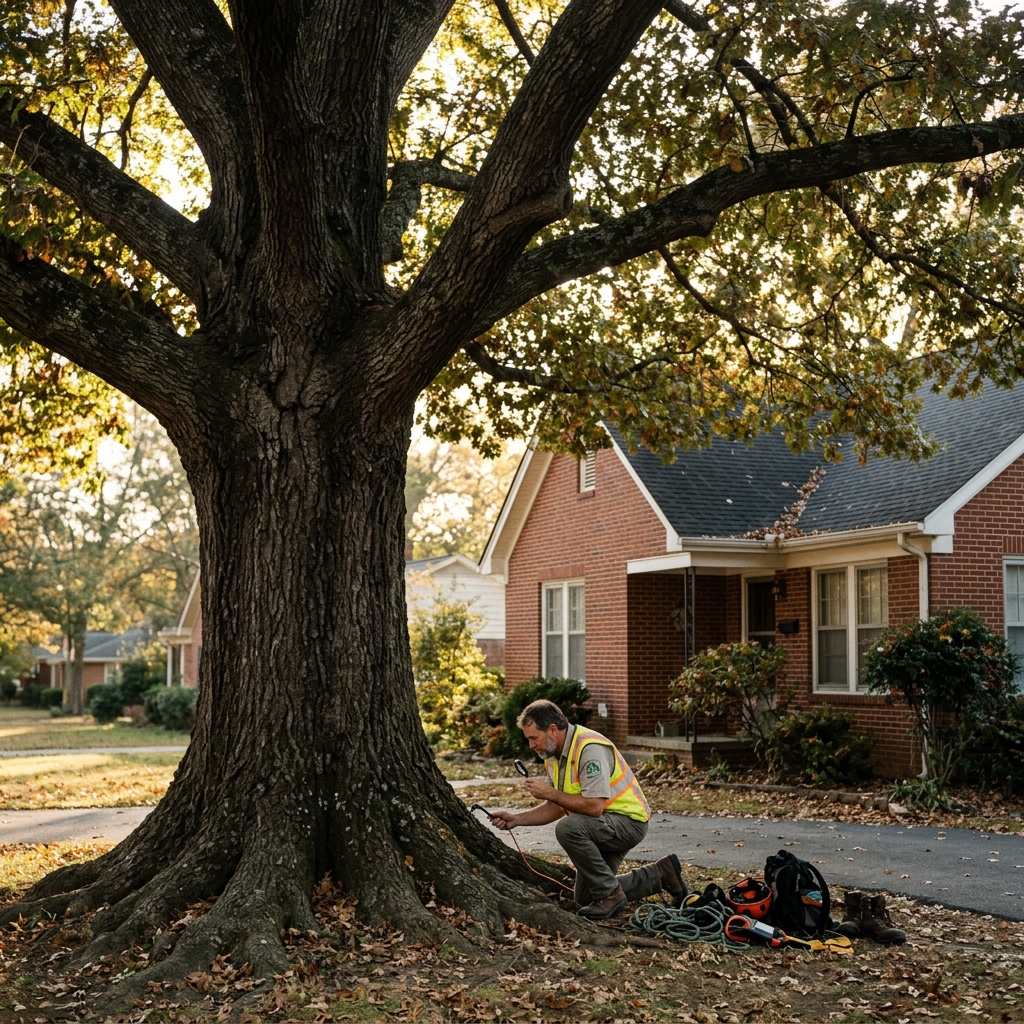
Some of the most impressive trees in Jonesboro are also the ones that require the most careful management. A 70-year-old oak planted as a sapling when a neighborhood was new now has a canopy covering most of the lot and root systems that interact with driveways, utilities, and foundations in ways that were not anticipated when the tree was young.
Large Canopy Overhang and Structure Proximity
Older Jonesboro homes in established neighborhoods often have mature shade trees positioned very close to structures—sometimes within 5 to 10 feet of the roofline. Managing this requires careful pruning that supports long-term tree health while establishing clearance from the structure. Aggressive crown reduction on a mature tree can do more harm than good. The goal is targeted removal of structural risk with minimal impact to the overall health of a tree that took decades to grow.
Root System Complications
Mature trees have extensive root systems that can extend two to three times the canopy radius. On older properties, these roots may be growing under driveways, along foundation walls, or into sewer lines. Root pruning to address infrastructure conflicts must be done carefully. Cutting too many large roots too close to the trunk can destabilize the tree or weaken it to the point where removal becomes the only safe option. A professional assessment helps determine whether root pruning is safe or whether removal should be considered.
Accumulated Deadwood in Mature Canopies
Older trees accumulate deadwood over time. A tree that has not been professionally pruned in a decade or more may have significant quantities of dead branches throughout the canopy, some of them quite large. Expert branch trimming to remove this accumulated deadwood is one of the highest-value things you can do for an older property.
Equipment Access in Established Yards
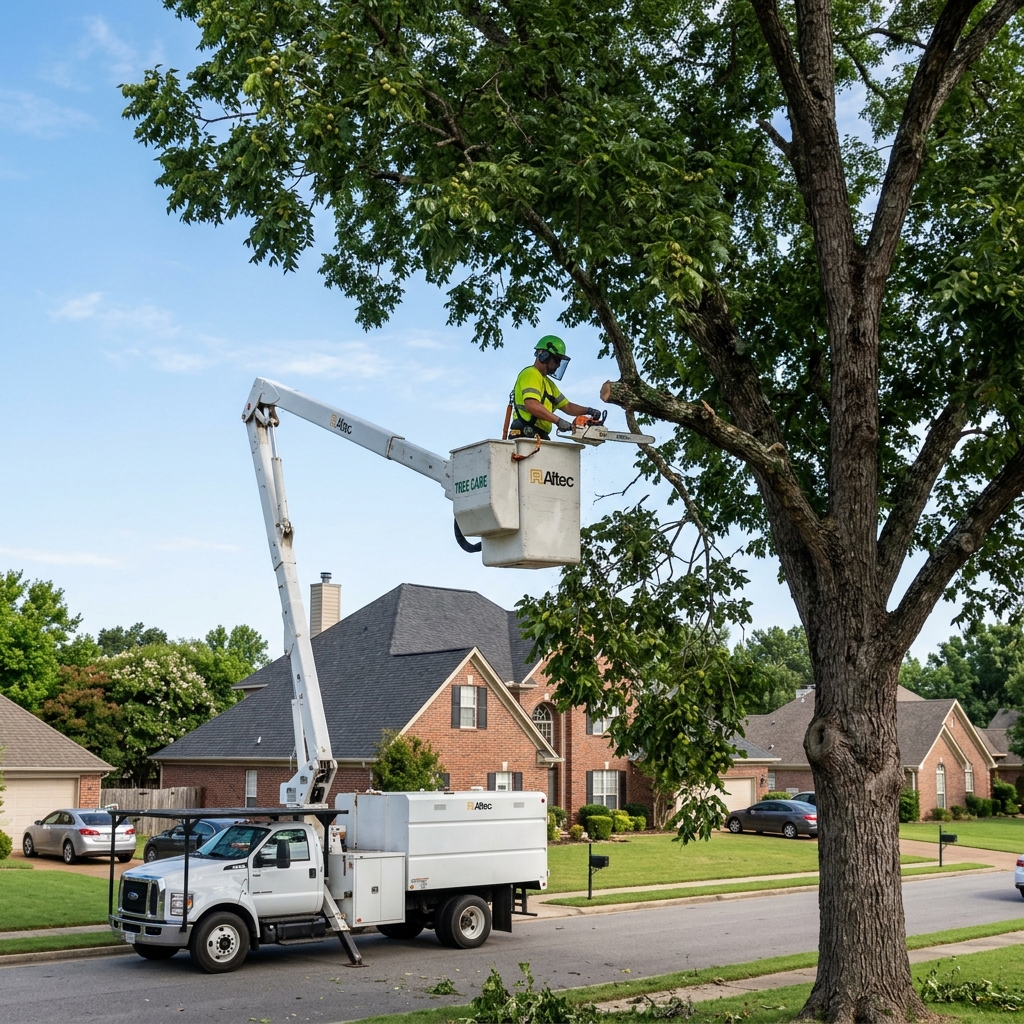
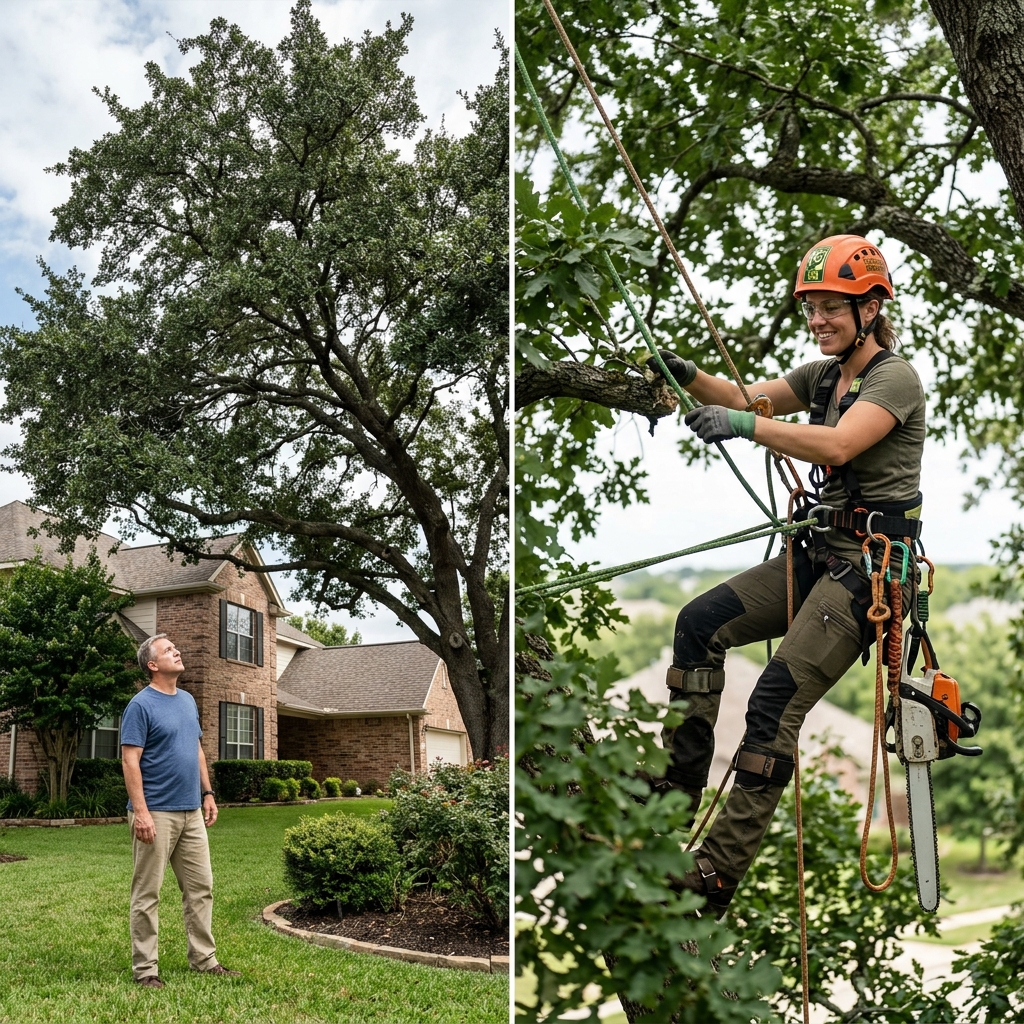
Older residential lots are often fully developed with fences, landscaping beds, outbuildings, and limited open space. Getting a bucket truck or chipper truck to the right position for a large mature tree can be a logistical challenge. Some situations require hand-climbing with rigging rather than mechanical equipment, which is more time-consuming and affects pricing. Make sure any crew providing an estimate has seen the actual access conditions at your property.
Hazardous Tree Assessment for Aging Trees
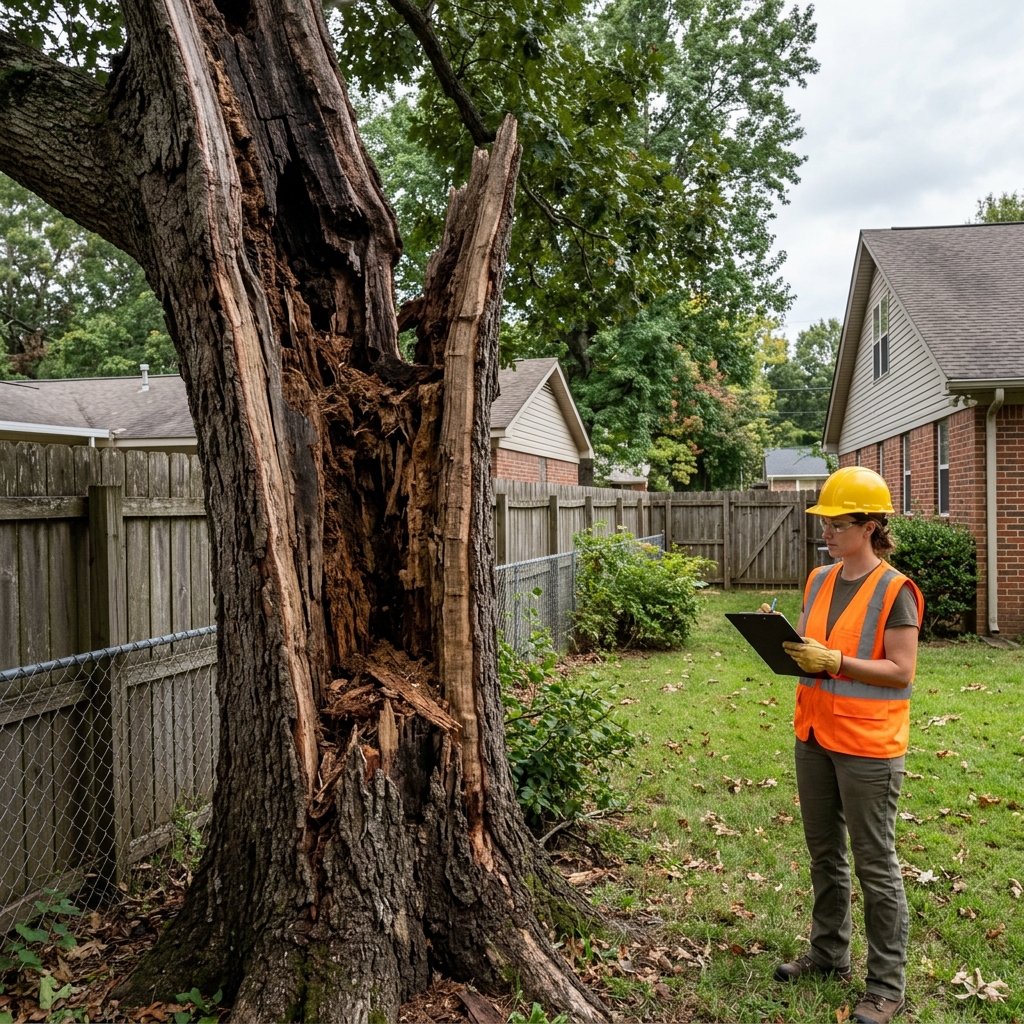
Mature trees warrant periodic professional evaluation. Internal decay, root zone issues, and structural weakness may not be visible from a casual ground inspection. A professional tree risk assessment looks at the whole picture and gives you an honest answer about whether the tree is safe to maintain or has reached the point where removal options for damaged or dead trees should be considered.
Managing the Cost of Large Tree Removal
When a very large tree on an older property needs to come down, the cost can be substantial. Limited access, proximity to structures, utility line considerations, and sheer size all factor in. Planning this kind of work during a non-emergency window gives you the ability to get multiple written estimates and choose the approach that best fits your budget and timeline.
Mature Trees on an Older Jonesboro Property?
We specialize in tree care on established residential properties throughout Jonesboro and Craighead County. On-site assessment and written estimates before any work begins.
Frequently Asked Questions
Common signs include new cracks in foundation walls, uneven floor settling, or raised pavement near the tree. However, root-related foundation damage is often overstated. Many tree roots grow alongside foundations without causing structural damage. A structural engineer and tree care professional can give you an informed opinion.
It depends on the type and extent of the disease and the tree's overall structural condition. Some diseases can be managed with proper pruning if caught early. Others progress to the point where the tree becomes a structural hazard. An on-site assessment by an experienced professional is the only way to get an accurate answer.
Annual visual inspections by the homeowner plus a professional assessment every 3 to 5 years is a reasonable baseline. Any tree that shows sudden changes in canopy health, develops a new lean, or sustains storm damage warrants an assessment sooner.
Not all hollow sections indicate a tree must come down. The location of the hollow, the percentage of sound wood remaining, and the tree's position relative to structures all factor into a risk assessment. Many trees with hollow sections remain stable for years. A professional inspection gives you an evidence-based answer.
Yes, though timing and species selection matter. The old root system will decompose over several years. Choosing a species appropriate for the site conditions and planting it at a better setback from structures than the original tree is the standard recommendation.
Bottom Line
Mature trees on older Jonesboro properties are valuable assets worth protecting, but they require informed professional management. Whether you need deadwood removed, a risk assessment, structural pruning, or removal of a tree that has outgrown its position, working with a local tree care company that understands established Jonesboro neighborhoods makes all the difference.